Cathedral of Sewage
Created by Marina Andrioti, Nina Attinello, Angel Ikuewan, Nada Yaakoub
Created by Marina Andrioti, Nina Attinello, Angel Ikuewan, Nada Yaakoub
Video Game
Project produced for Cinematic and Videogame Architecture, The Bartlett School of Architecture, UCL.
Unreal Engine 5 | Rhino |
Adobe Premiere Pro
Editing & Visual Development:
Marina Andrioti, Nada Yaakoub, Nina Attinello
Level Design :
Marina Andrioti, Nada Yaakoub
Music & Sound Design:
Nina Attinello
Game Mechanics:
Marina Andrioti, Angel Ikuewan
Cathedral of Sewage is a narrative survival game that unfolds inside a surreal reimagining of the Abbey Mills Pumping Station. Blending first- and third-person perspectives, the experience places the player in a symbolic confrontation with the consequences of neglecting climate-resilience infrastructure.
Guided by the voice of Abbey Mills itself, the player navigates a shifting architectural landscape where beauty and dread coexist, mirroring the tension between the station’s ornate design and its essential, often overlooked function. Through exploration and survival-driven gameplay, the piece becomes a moral tale about responsibility, legacy, and the cost of inaction in the face of environmental change.
“Cathedrals of Waste”, a Victorian engineering landmark reimagined as a cinematic, post-apocalyptic setting.
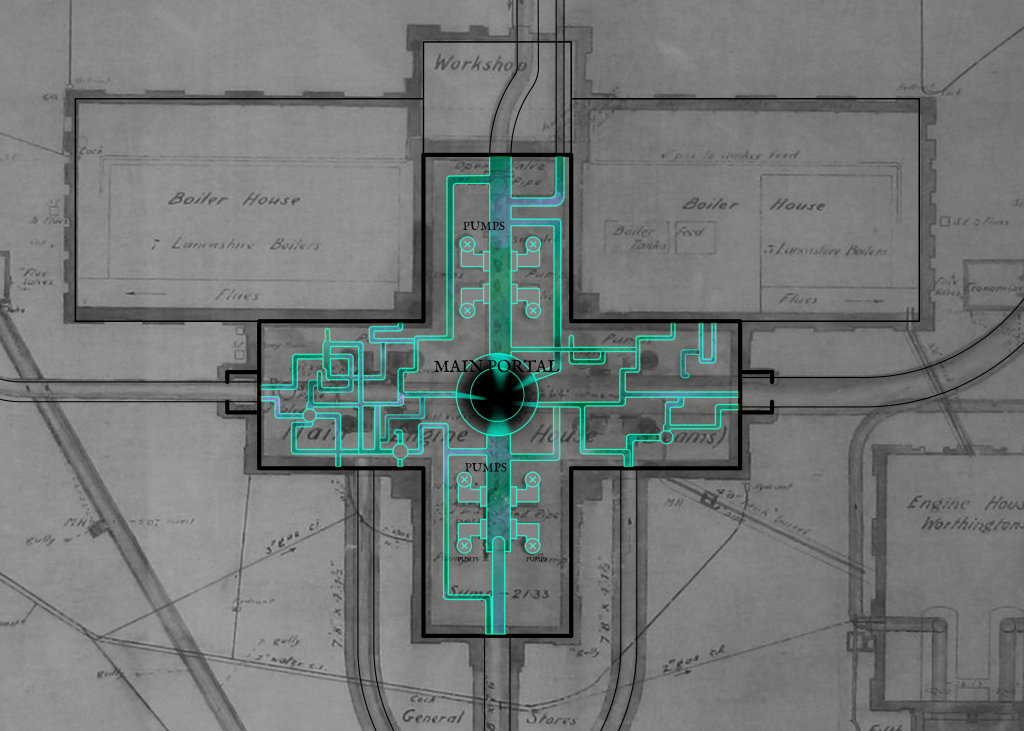
Abbey Mills Pumping Station is a historic sewage pumping station in Mill Meads, East London, operated by Thames Water. Captivated by its theatrical design and unique civic purpose, we centred the video game’s world and narrative around this building and its history.
The station blends Byzantine and Moorish architectural vocabularies, featuring ornate pump houses and monumental forms that once powered London’s sanitation network. Designed by Sir Joseph Bazalgette, the Victorian sewer system was instrumental in eradicating cholera, saving millions of lives and transforming the city into a cleaner, more habitable place.
For the project we use Abbey Mills as a site of tension between form and function: its romantic, cathedral-like aesthetics are contrasted with the brutal realities of infrastructure. This contrast becomes the narrative engine of the game as a surreal, nightmarish dreamscape in which architecture, engineering, and climate converge.
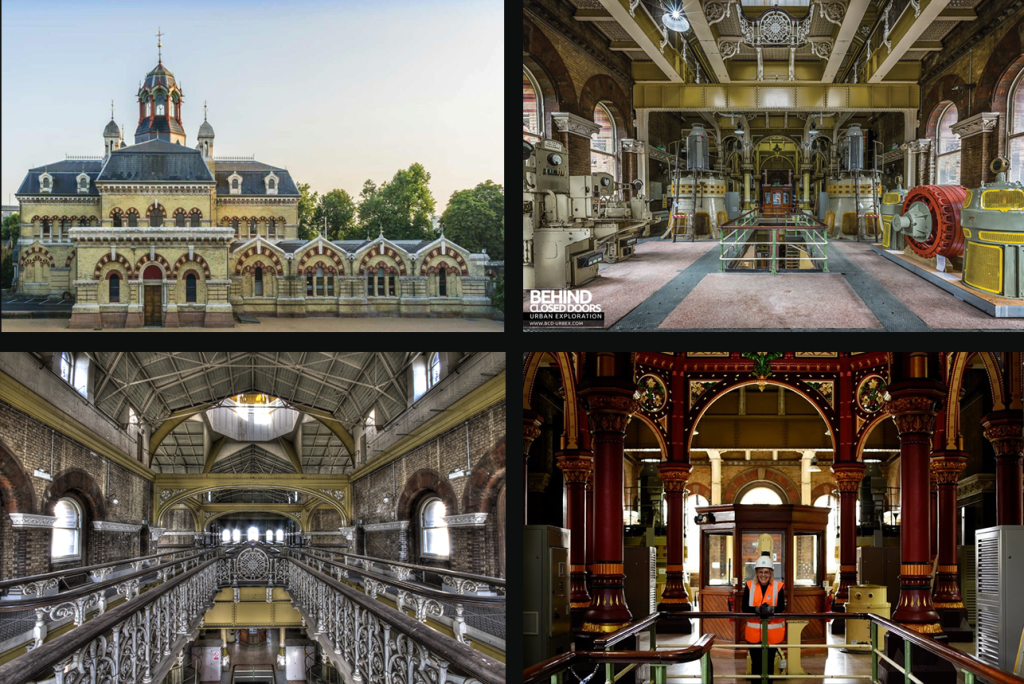
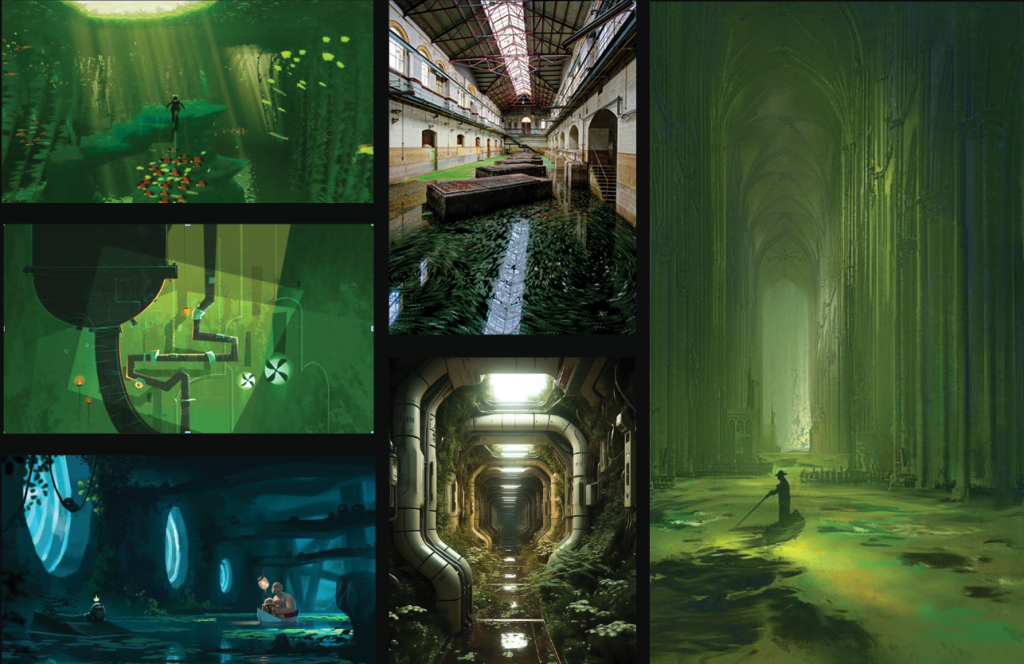
To capture the mystical grandeur of cathedrals, with vast interiors and water amplifying the atmosphere through reflections and echoes, enhancing the holy and immersive quality of the dark spaces. It transforms this reverence into a tribute to sewage infrastructure and its vital role in London’s history.
The video game begins with a cutscene as the player, an engineer from Thames Water, awakens inside an abstract, dreamlike version of Abbey Mills’ central chamber. In this nightmarish vision, Sir Joseph Bazalgette himself confronts them, frustrated by how modern society has failed to expand and adapt his Victorian sewer system to meet rising populations and the realities of the climate crisis.
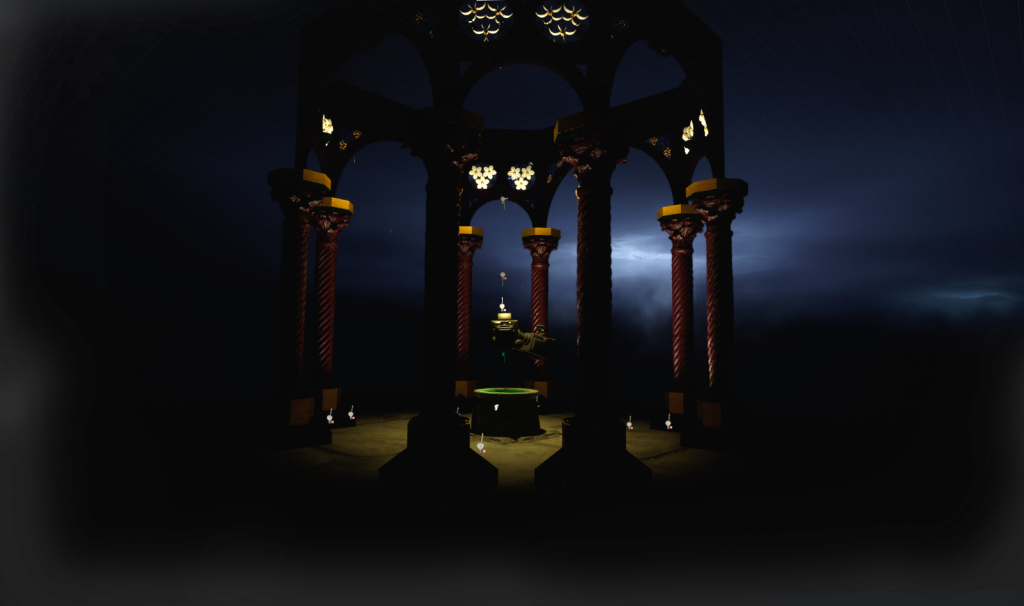

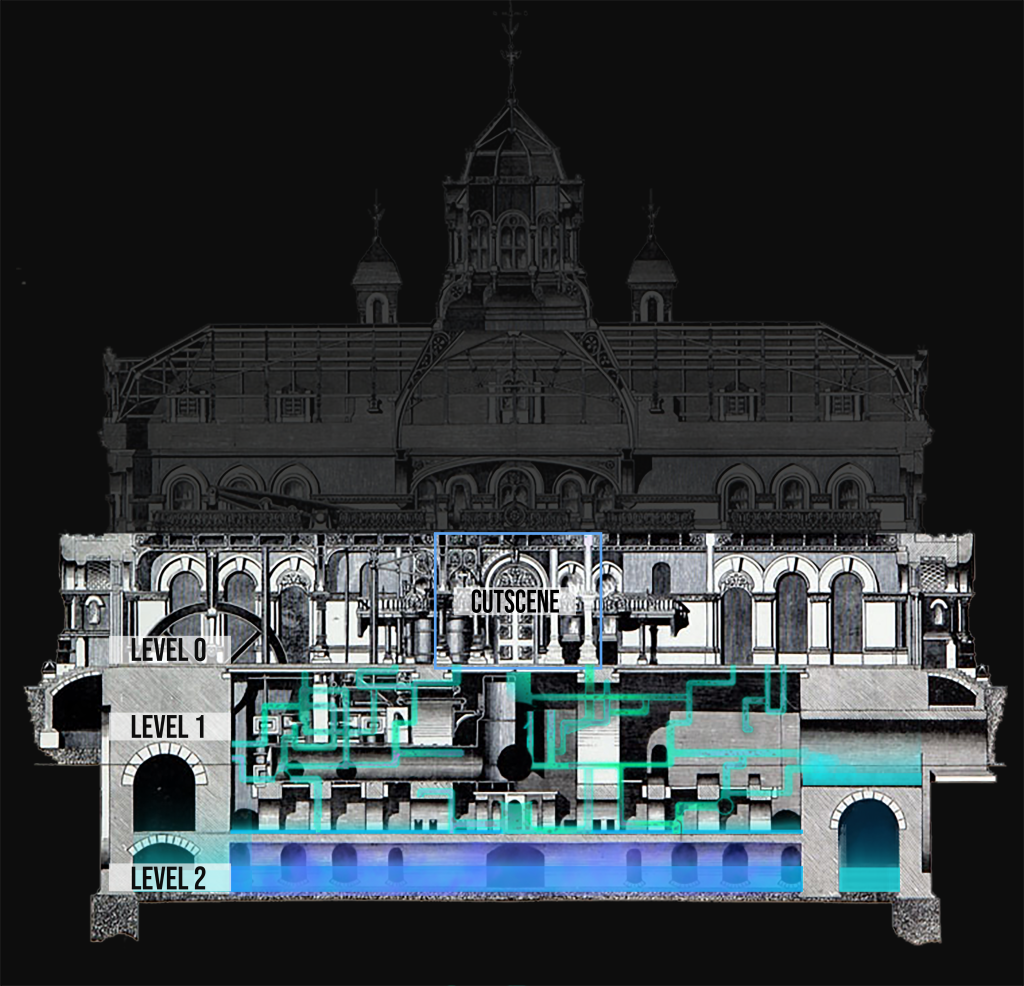
The game unfolds across a sequence of interconnected spaces inspired by the architecture and underground systems of the Abbey Mills Pumping Station. After an introductory cut-scene (Level 0), the player enters the playable environment, which unfolds in two main levels that reinterpret the station’s subterranean infrastructure.
Level 1 draws on the mechanical systems beneath Abbey Mills: an elevated maze of pipes and walkways suspended above the underground.
Level 2 descends further into the structure, transporting the player inside the
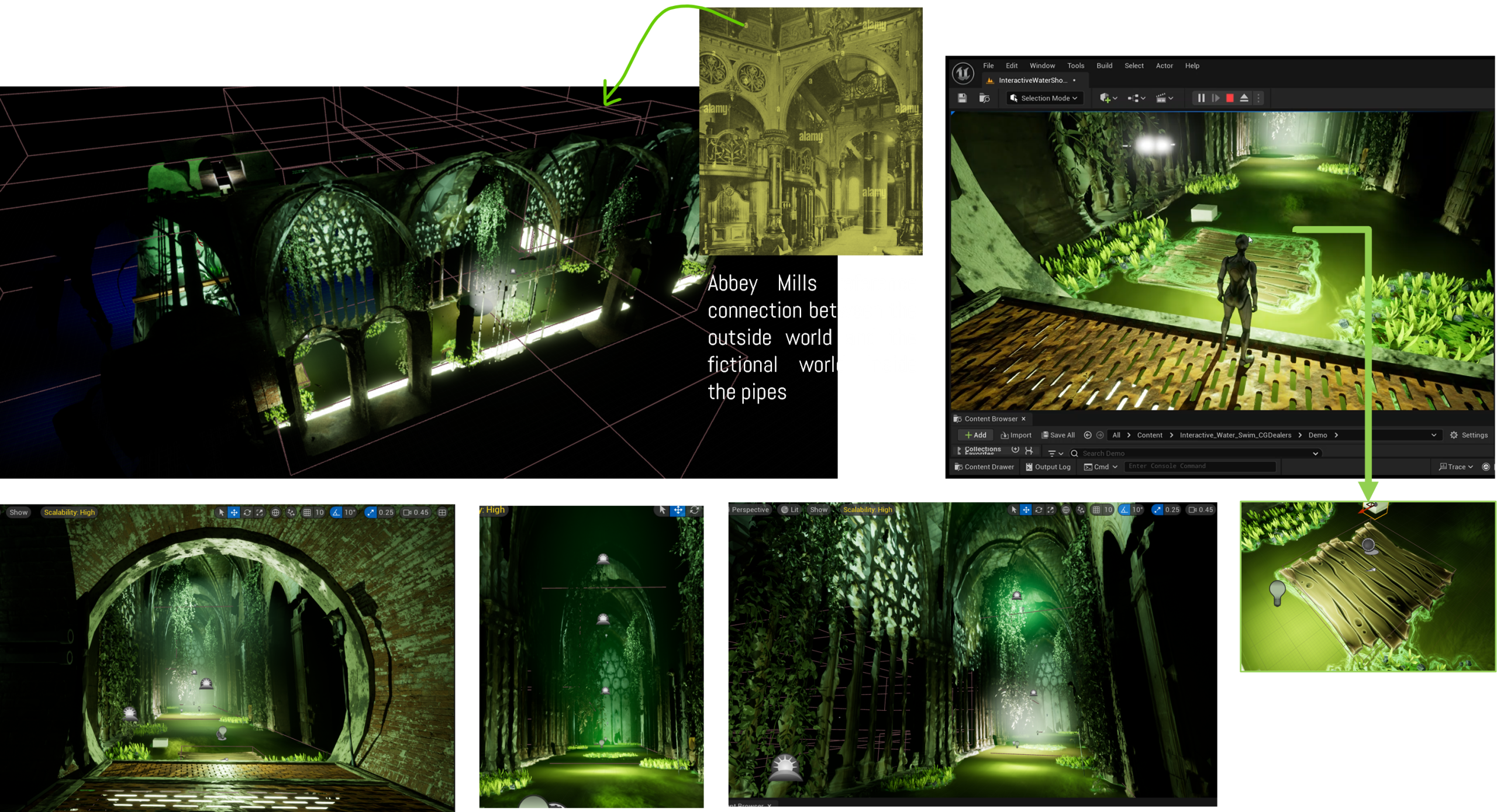
pipes themselves—an interpretation of the real-world Lee Tunnel. This level is composed of three distinct environments:
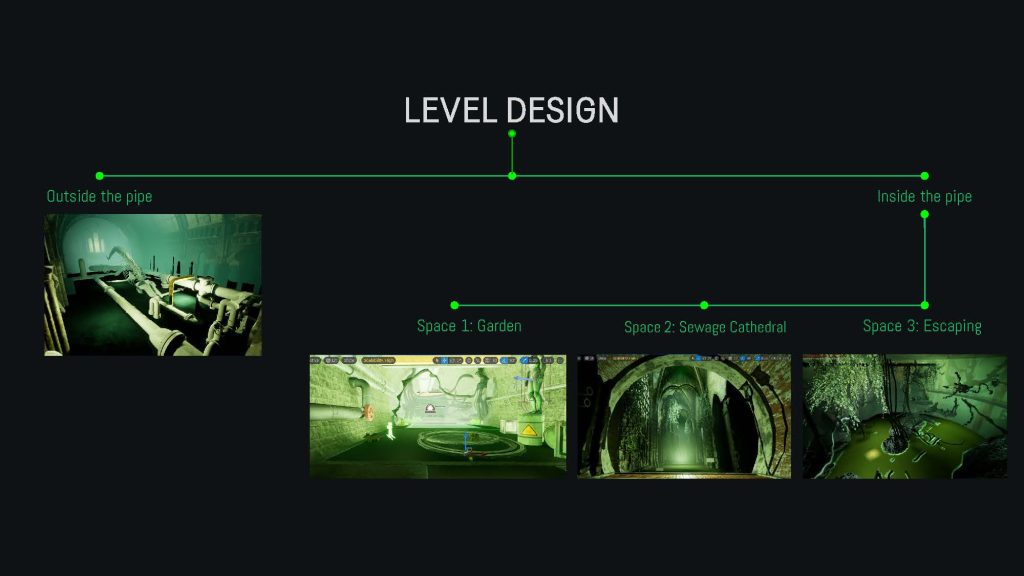
The player finds themselves inside the pumping station, where the spirit of Abbey Mills serves as both a guide and an ally. To progress, the player must navigate a complex maze of pipes, collecting essential items to assemble a breathing apparatus. Once equipped, they must locate the correct pipe leading to the Lee Tunnel.
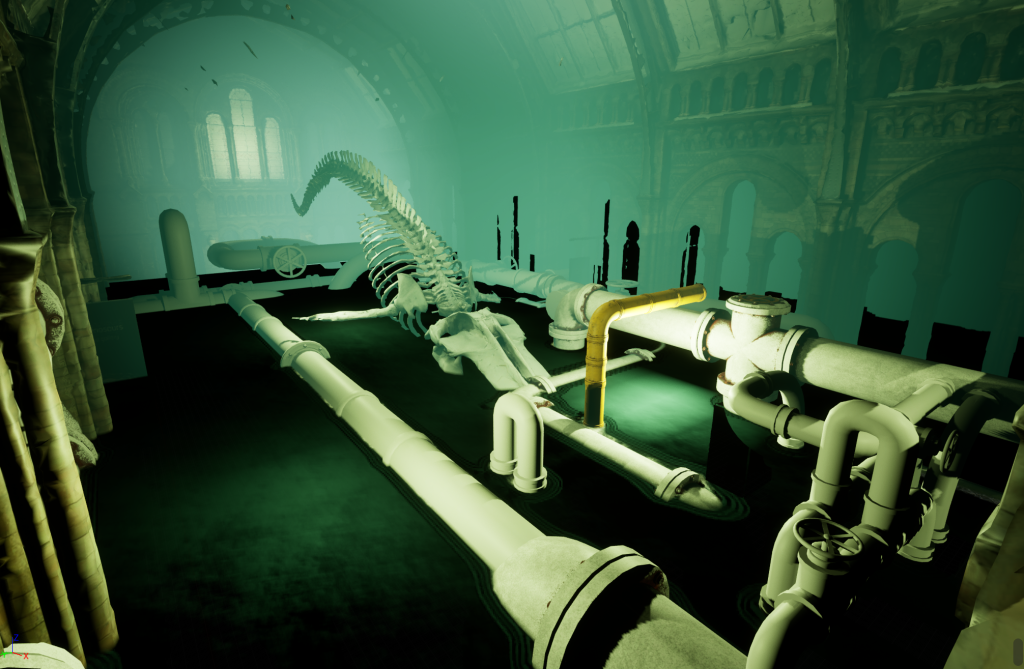
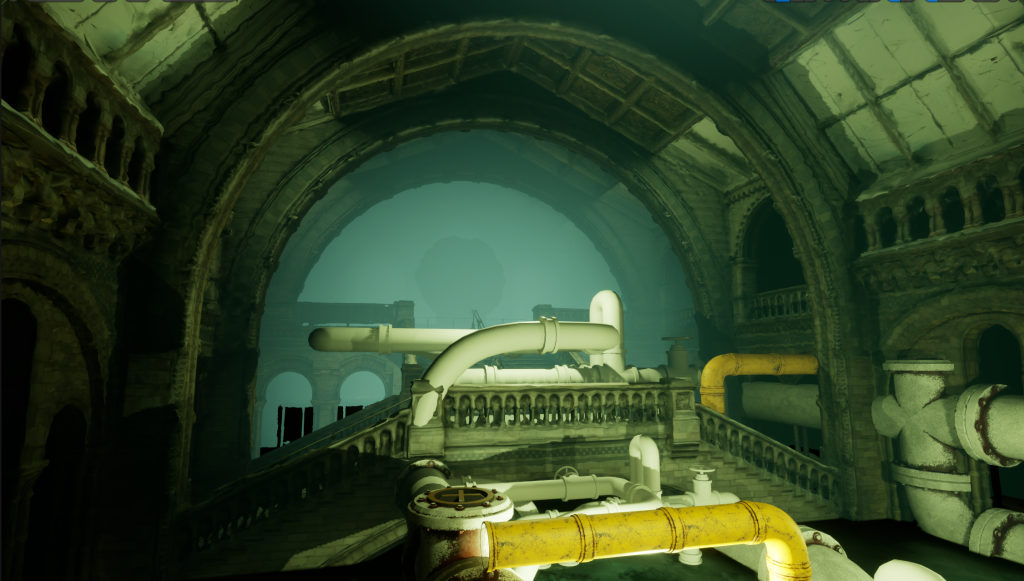
For the Pipe Maze level, the goal was to situate the gameplay within an architectural shell that conveyed the same monumental grandeur as Abbey Mills Pumping Station. Since on-site photogrammetry was not possible, a high-resolution scan of the Natural History Museum was sourced, to stand in as the surrounding architecture. Its grand interior provides the same sense of monumental scale and historical weight, creating a striking juxtaposition between ornate structure and the dense mechanical pipe system that runs through it.
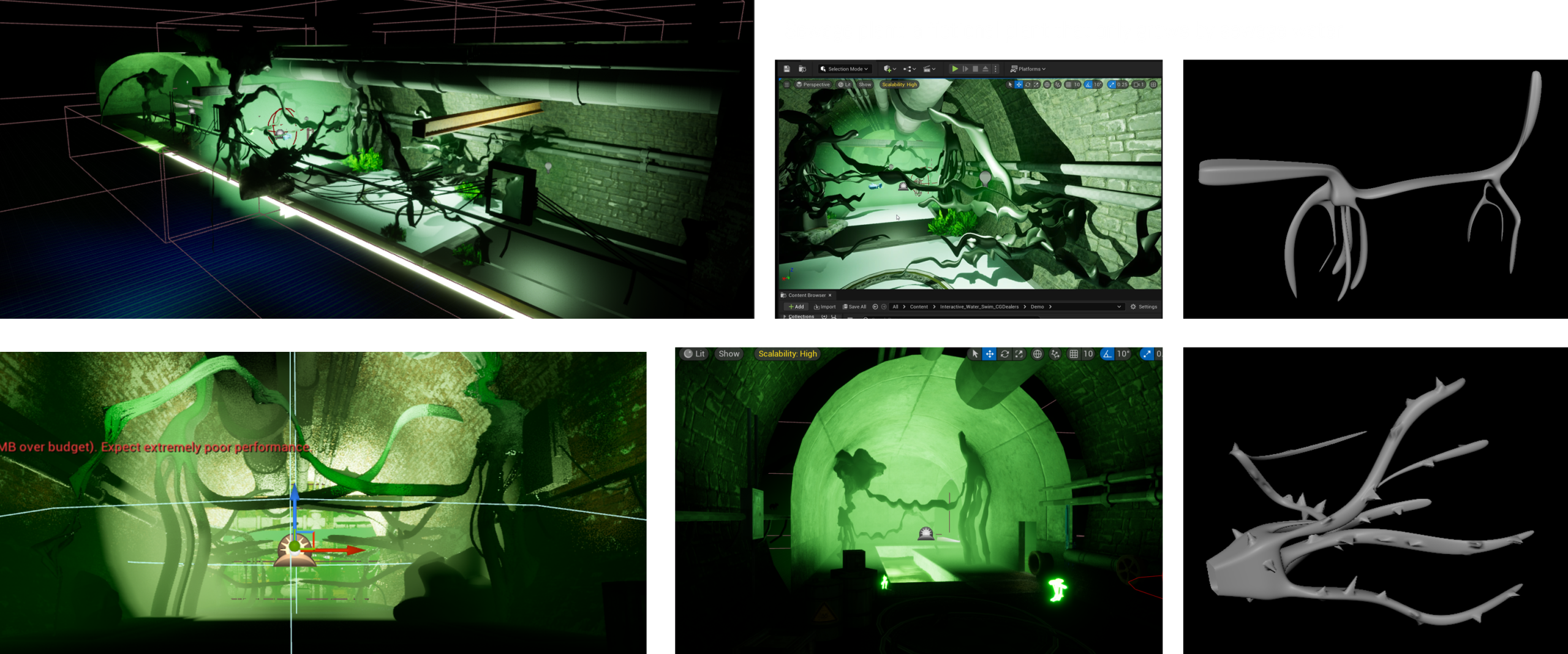
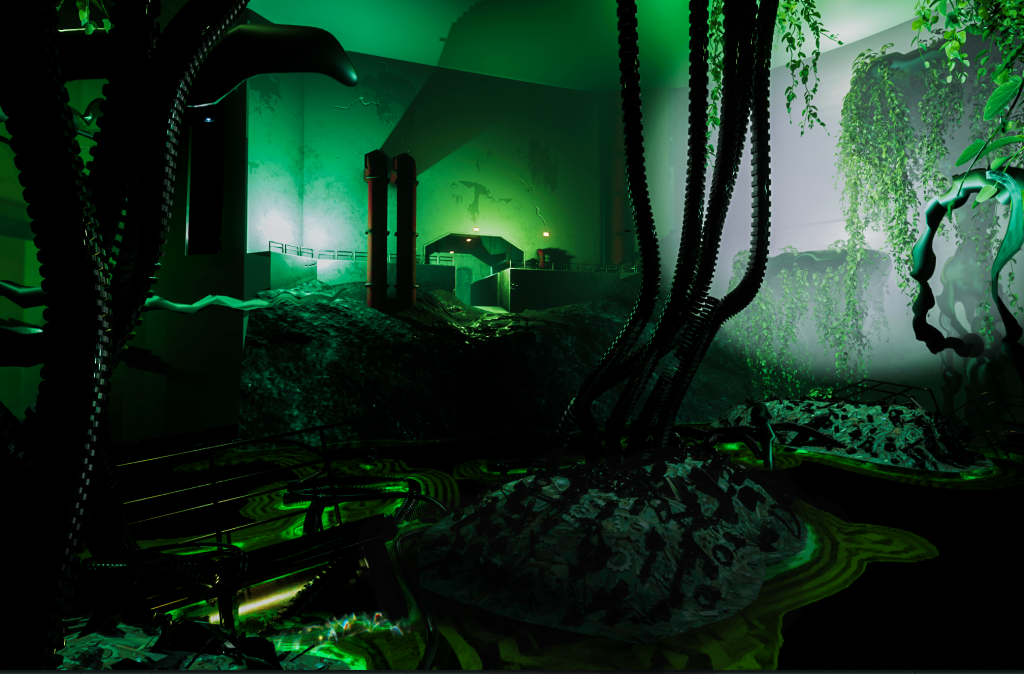
For the final space, the Control Room was designed as a vast, atmospheric chamber that blends industrial decay with a sense of quiet awe. Modeled initially in Rhino, then enriched in Unreal Engine with layered foliage, debris, and weathered metal elements to evoke a world that has been operating and deteriorating for decades without intervention.
Volumetric fog and atmospheric lighting reinforce its mystical, dreamlike tone, while a single beam of light descending through the sewer cap serves as both a visual anchor and the player’s final path to escape.
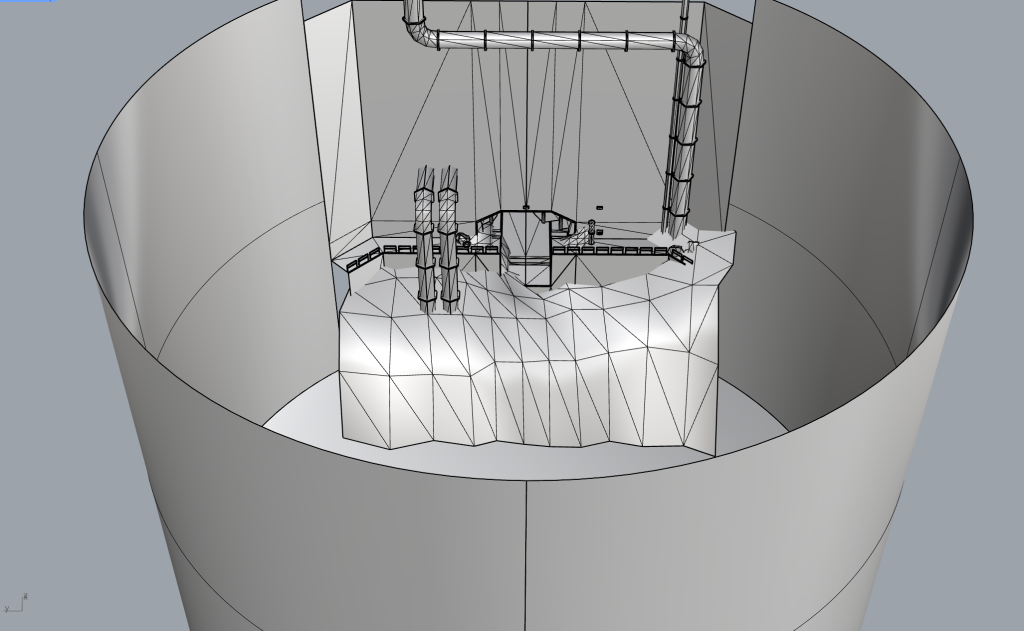
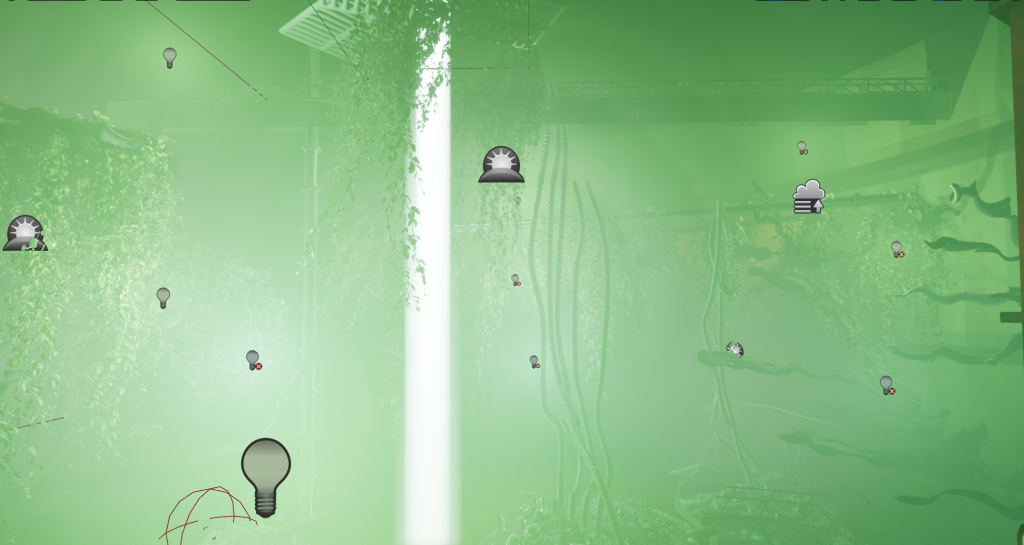
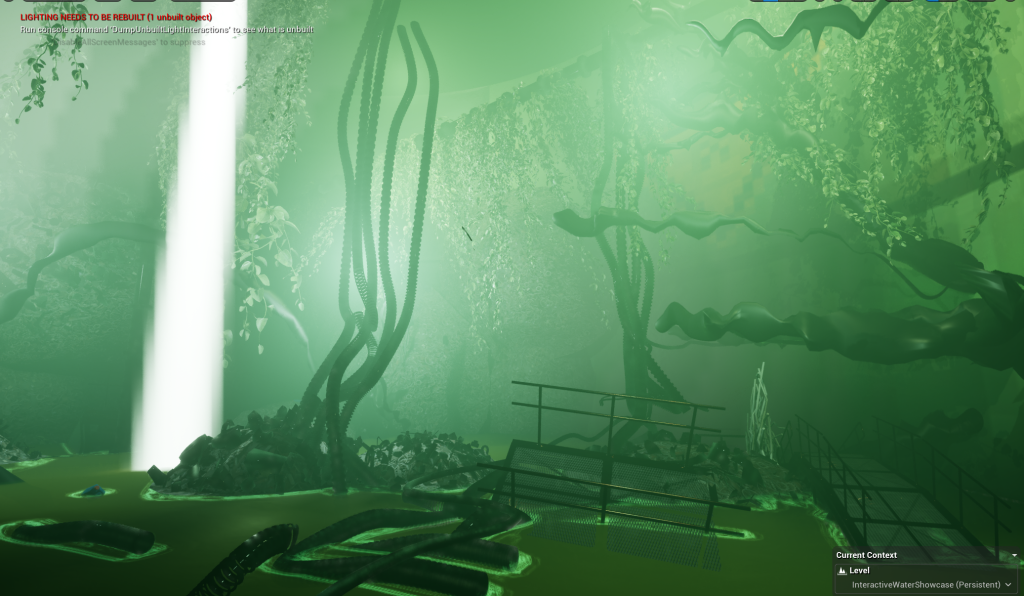
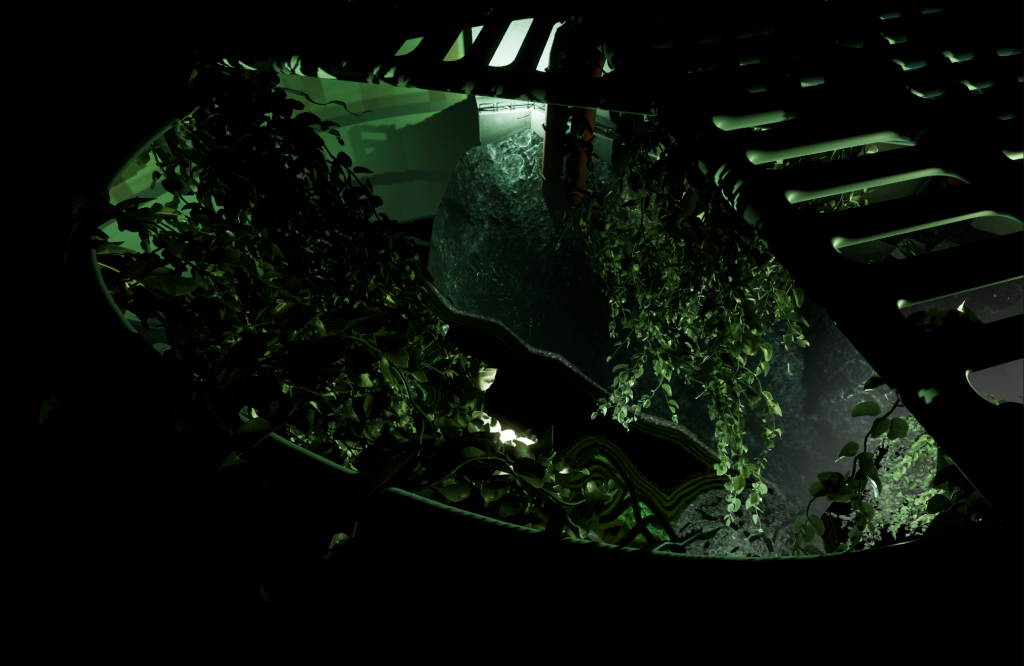
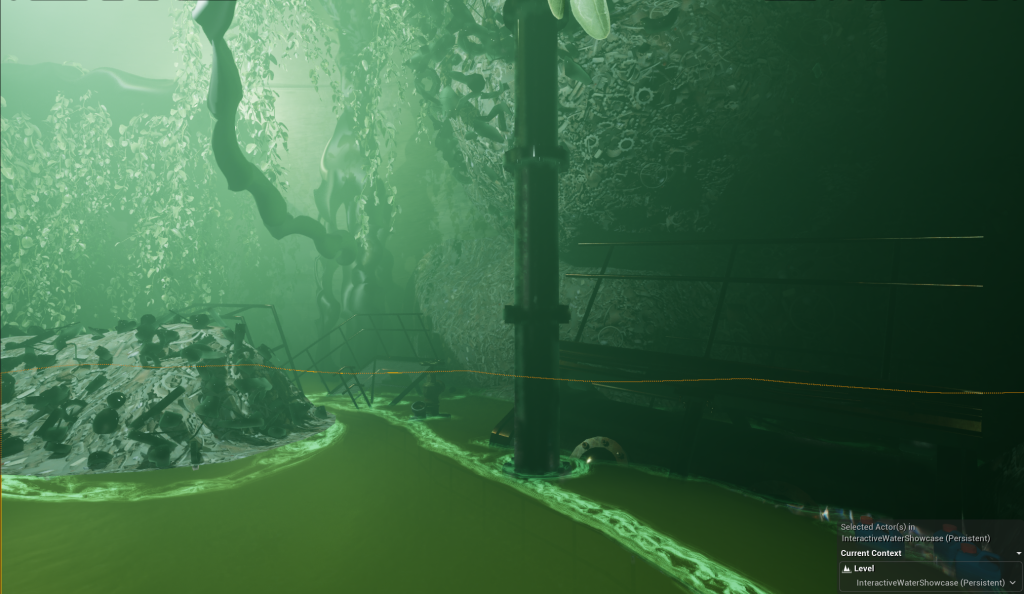
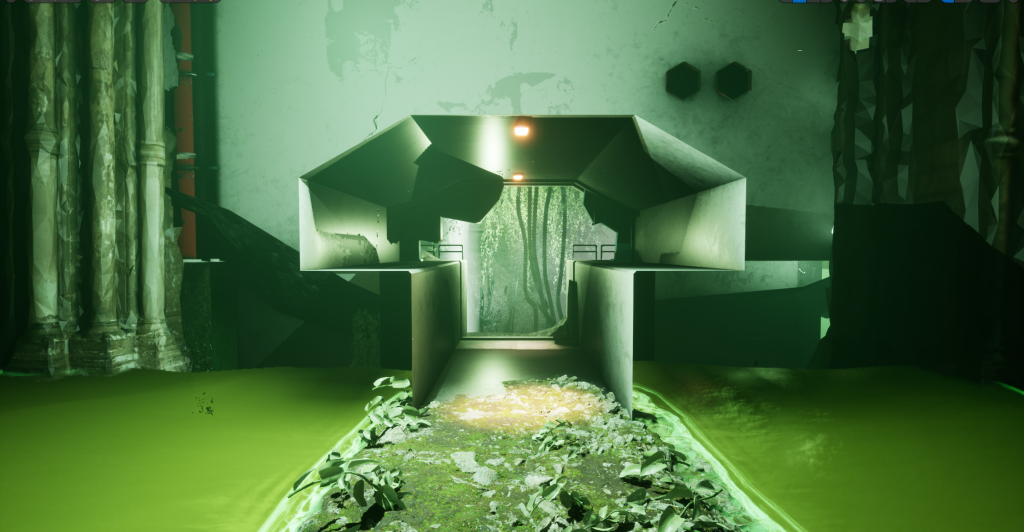
Water played a key role in shaping the ambiance, with reflections from the contaminated sewage adding depth to the scene. The room transforms dynamically, beginning with water pooled on the ground and eventually flooding the space, with shimmering water reflections enveloping every surface.
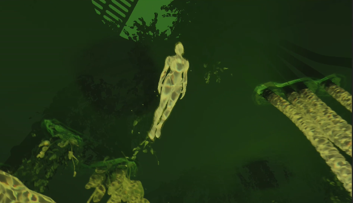
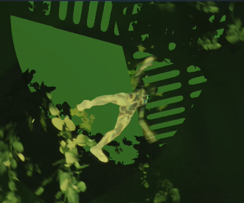
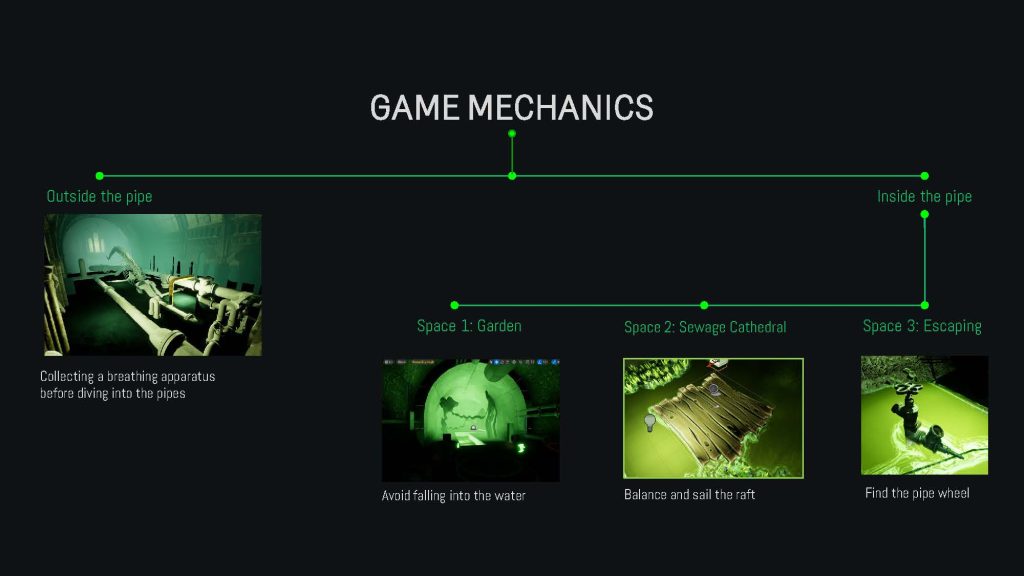
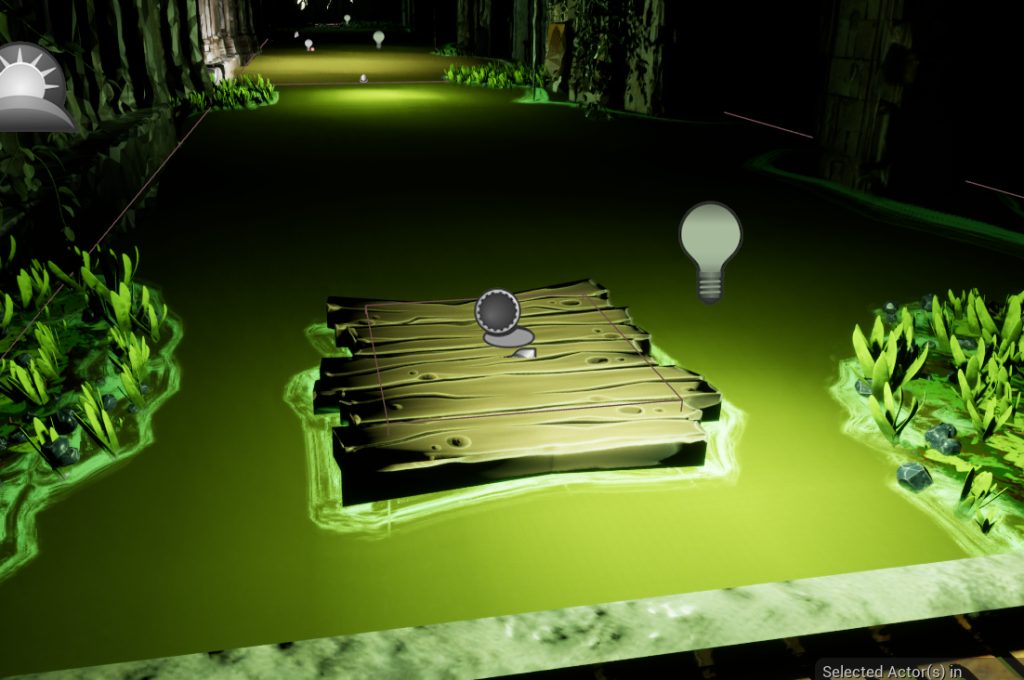
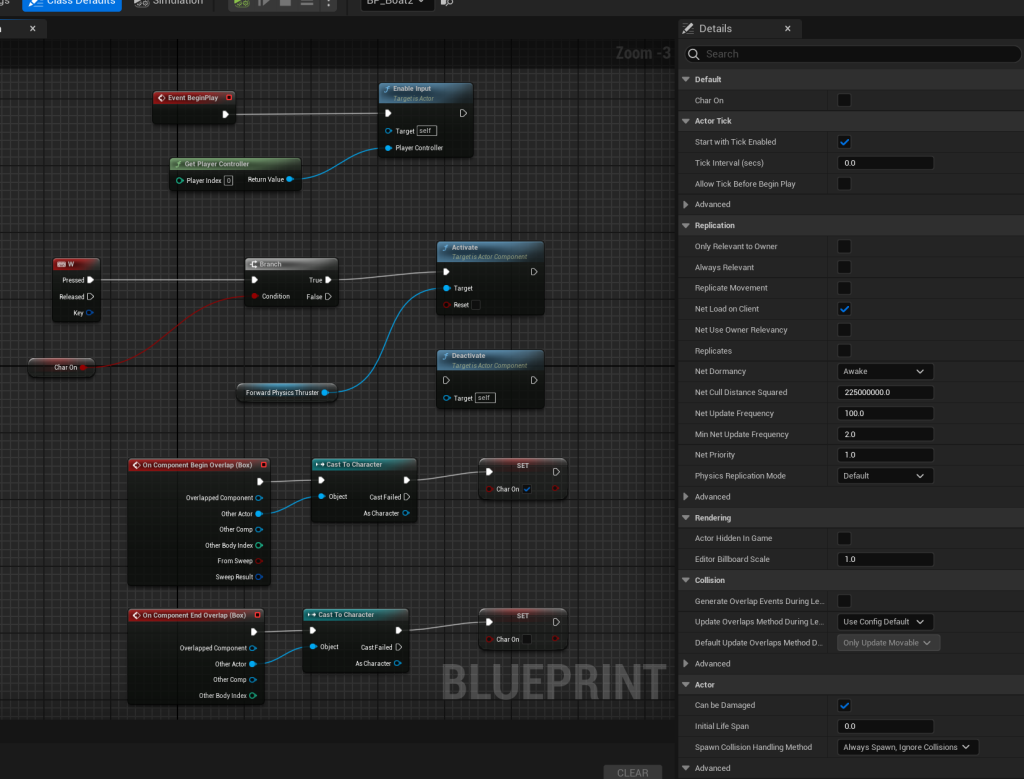
The raft is driven by a Blueprint system that activates on player overlap. To align the gameplay with the narrative flow of the tunnel, the raft uses an automated physics-driven movement setup that propels it forward along a controlled path.
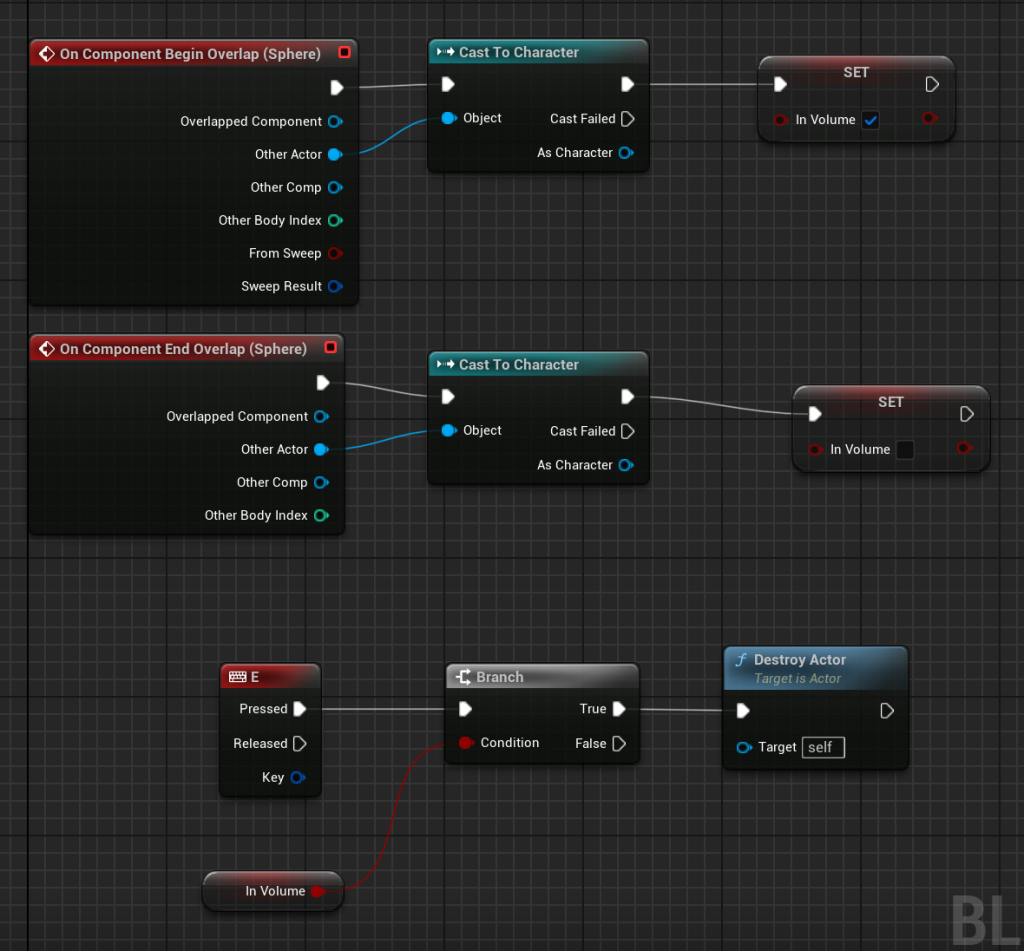
The control room uses an interaction blueprint that lets the player activate the main valve to trigger the rising–water sequence. A detection sphere checks whether the player is within interaction range, and pressing E rotates the valve and activates the water-level system.